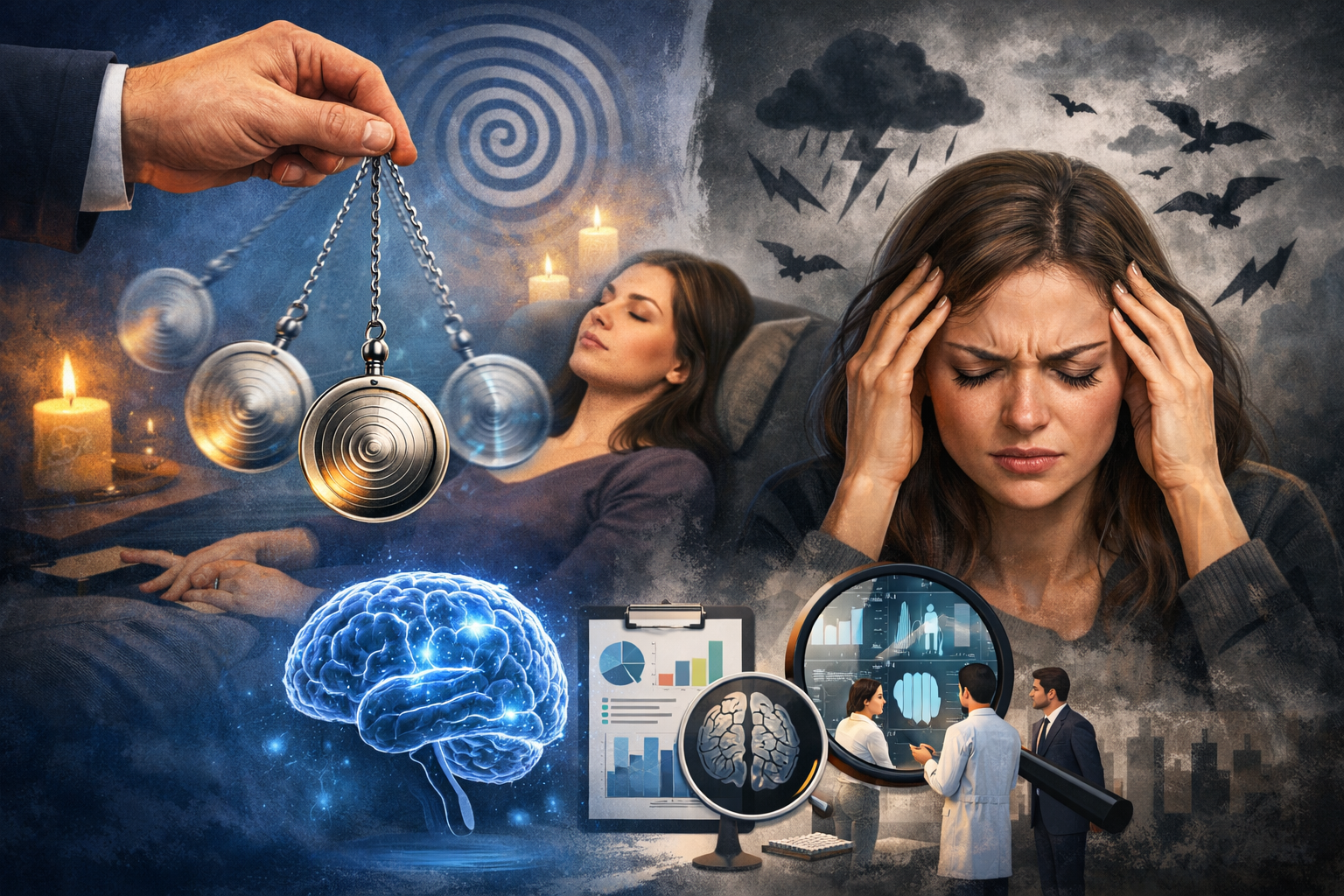
If you have been asking, is hypnotherapy effective for anxiety, you are not alone. Many people want a drug-free option that can calm racing thoughts, reduce physical tension, and make daily life feel manageable again. The short answer is that hypnotherapy can help some people with anxiety, especially when it is used by a qualified professional and combined with evidence-based care, but it is not a magic cure or the best fit for every case.
Anxiety disorders are common, and many people looking for support even after trying self-help strategies, counseling, or medication. According to the National Institute of Mental Health (2023), an estimated 19.1% of U.S. adults had an anxiety disorder in the past year. That scale explains why the question is hypnotherapy effective for anxiety keeps coming up in clinics, search engines, and therapy offices.
Hypnotherapy is often misunderstood. It does not mean giving up control or being unconscious. Instead, it usually involves focused attention, guided relaxation, and therapeutic suggestion aimed at changing thought patterns, physical responses, or emotional habits linked to worry and fear. When people ask is hypnotherapy effective for anxiety, they are really asking whether this process can create measurable relief in real life.
What does “is hypnotherapy effective for anxiety” really mean?
Yes, in practical terms, is hypnotherapy effective for anxiety means whether it reduces symptoms such as panic, overthinking, muscle tension, sleep disruption, and avoidance. Effectiveness should be judged by outcomes, not hype: fewer symptoms, better functioning, and more emotional control.
Related: Complete Guide to hypnosis for bad habits UK
Hypnotherapy is typically delivered by a trained clinician who guides you into a relaxed, focused state. In that state, you may work on reframing fears, building coping responses, or reducing the intensity of anxious triggers. For people wondering is hypnotherapy effective for anxiety, the key point is that hypnosis is used as a therapeutic tool, not entertainment.
According to the American Psychological Association, hypnosis is a state of consciousness involving focused attention and reduced peripheral awareness, often with increased responsiveness to suggestion. You can read more from the American Psychological Association on hypnosis. This definition matters because it frames why some clinicians use it to target anxious thought loops and stress reactivity.
Another useful baseline is prevalence. According to the World Health Organization (2023), about 4% of the global population currently experiences an anxiety disorder. When such a large number of people ask is hypnotherapy effective for anxiety, the answer has to account for different anxiety types, severity levels, and treatment goals.
Related: Complete Guide to hypnosis for self confidence UK
Is hypnotherapy effective for anxiety according to research?
Yes, research suggests hypnotherapy can be effective for anxiety in some cases, particularly as an adjunct to other treatments. The strongest conclusion is not that hypnosis cures all anxiety, but that it may improve relaxation, coping, and symptom reduction for selected patients.
A review published in the International Journal of Clinical and Experimental Hypnosis has reported that hypnosis-based interventions show promise for anxiety reduction across medical, dental, and situational settings. That matters because the question is hypnotherapy effective for anxiety often depends on context: generalized anxiety, performance anxiety, procedure-related anxiety, or stress-linked symptoms may respond differently.
According to the Centers for Disease Control and Prevention, roughly 15.5% of adults reported symptoms of anxiety in a recent two-week period in 2019. The burden is high enough that adjunctive approaches are worth evaluating. For many readers asking is hypnotherapy effective for anxiety, the evidence points to “potentially yes,” especially when anxiety is tied to stress conditioning, anticipatory fear, or repetitive negative thinking.
Related: Complete Guide to online therapy for anxiety uk
A study by the University of Zurich found that hypnotic suggestion can measurably alter emotional processing and attention. That does not prove a universal anxiety cure, but it supports the mechanism clinicians rely on when addressing fear responses. In other words, is hypnotherapy effective for anxiety is partly answered by whether focused suggestion can reshape how the brain and body respond to stress.
It is also important to compare it with established care. According to the National Institute for Health and Care Excellence, cognitive behavioral therapy remains a frontline treatment for many anxiety disorders. This is why the most responsible answer to is hypnotherapy effective for anxiety is that it can be useful, but it should not automatically replace standard care when symptoms are severe or disabling.
Is hypnotherapy effective for anxiety compared with therapy or medication?
Hypnotherapy can help, but it usually works best as part of a broader treatment plan rather than a standalone replacement for every person. If you are asking is hypnotherapy effective for anxiety compared with therapy or medication, the answer is that CBT and medication have a larger evidence base, while hypnotherapy may add value for the right individual.
Medication can reduce acute symptoms and improve functioning, especially for moderate to severe anxiety. Talk therapies such as CBT often help people identify distorted thinking, gradually face fears, and build durable coping skills. In this comparison, is hypnotherapy effective for anxiety becomes a question of fit: some people respond strongly to guided imagery, suggestion, and mind-body relaxation, while others do better with more structured cognitive approaches.
Dr. David Spiegel, Associate Chair of Psychiatry at Stanford University School of Medicine, explains the relevance clearly: “Hypnosis is a very powerful means of changing the way we use our minds to control perception and our bodies.” His work helps explain why people ask is hypnotherapy effective for anxiety when they want relief from the physical intensity of stress as much as the thoughts themselves.
Dr. Elizabeth Lombardo, clinical psychologist and author, offers a practical caution: “Tools that calm the nervous system can be extremely effective, but they work best when they are matched to the individual and used consistently.” That insight matters because is hypnotherapy effective for anxiety is rarely a yes-or-no issue; it depends on skill, consistency, and the underlying cause of symptoms.
- CBT has stronger guideline support for panic disorder, generalized anxiety disorder, and social anxiety.
- Medication may be necessary when anxiety is severe, chronic, or accompanied by depression.
- Hypnotherapy may be especially helpful for stress-related symptoms, anticipatory anxiety, sleep issues, and performance fears.
- Combined care often produces the most realistic and sustainable results.
Who is most likely to benefit if is hypnotherapy effective for anxiety?
Is hypnotherapy effective for anxiety is more likely to have a positive answer for people who can focus well, feel comfortable with guided imagery, and want a structured relaxation-based tool. It may also suit people whose anxiety has a strong physical component, such as tight chest, nausea, jaw clenching, or trouble sleeping.
People with situational anxiety often do well. This includes fear of flying, dental anxiety, public speaking stress, exam nerves, or medical-procedure anxiety. In these cases, is hypnotherapy effective for anxiety is often easier to answer because the trigger is specific and the treatment goal is measurable.
It can also help people who already understand their anxiety intellectually but still feel stuck physically. They know their fear is exaggerated, yet their body reacts as if danger is real. For this group, is hypnotherapy effective for anxiety may come down to whether hypnosis helps interrupt the automatic stress response more effectively than insight alone.
However, not everyone is a strong candidate. If you have severe trauma symptoms, psychosis, active substance misuse, or suicidal thoughts, you need a comprehensive mental health evaluation first. In those situations, asking is hypnotherapy effective for anxiety should come after safety, diagnosis, and stabilization.
What is the best way to use hypnotherapy for anxiety safely and effectively?
The best way is to use hypnotherapy with a qualified, licensed mental health or health professional who understands anxiety disorders and screens for underlying risks. If you want a trustworthy answer to is hypnotherapy effective for anxiety, start with practitioner quality and treatment planning.
Look for someone with recognized clinical credentials and specific hypnotherapy training. You can also review general background information on hypnosis on Wikipedia and compare it with professional standards. A credible provider should explain goals, process, limitations, expected timeline, and how progress will be measured.
The first sessions often include education, relaxation training, and identifying your triggers. Later sessions may use suggestion, visualization, desensitization, ego-strengthening, or rehearsal of calm responses. When clients ask is hypnotherapy effective for anxiety, they usually get the best results when sessions are paired with daily practice between appointments.
- Get a clear diagnosis if your symptoms are frequent or severe.
- Choose a licensed professional with hypnotherapy training.
- Set a specific target, such as panic before meetings or insomnia from worry.
- Track progress weekly using symptom intensity, sleep quality, or avoidance behaviors.
- Combine hypnotherapy with proven habits such as CBT skills, exercise, and sleep routines.
For broader anxiety information, the National Institute of Mental Health anxiety resource is a reliable starting point. That kind of evidence-based framework is essential because is hypnotherapy effective for anxiety should never be answered in isolation from diagnosis, severity, and whole-person care.
What are the limits and risks when asking is hypnotherapy effective for anxiety?
The main limit is that hypnotherapy is not universally effective and results vary by person, condition, and practitioner skill. So while is hypnotherapy effective for anxiety can be answered positively for many people, it should not be marketed as guaranteed or instant.
Another limitation is evidence quality. Some studies are small, use mixed methods, or focus on situational anxiety rather than diagnosed anxiety disorders. That means is hypnotherapy effective for anxiety is supported by promising evidence, but not by the same volume of research that supports CBT or certain medications.
There are also practical concerns. Some people expect hypnosis to work passively, with no effort on their part, and then feel disappointed. In reality, the answer to is hypnotherapy effective for anxiety often depends on engagement: repetition, homework, and willingness to practice new responses matter.
Finally, beware of unlicensed providers making sweeping claims. Ethical clinicians never promise a cure, discourage medical care, or suggest that hypnosis can replace emergency support in a crisis. If you are seriously evaluating is hypnotherapy effective for anxiety, professionalism and transparency are non-negotiable.
Conclusion: is hypnotherapy effective for anxiety in real life?
In real life, is hypnotherapy effective for anxiety is best answered this way: it can be genuinely helpful for the right person, especially for stress-driven symptoms, situational fears, and nervous-system regulation, but it works best as part of a thoughtful treatment plan. The strongest approach is to treat hypnotherapy as a clinical tool, not a miracle solution.
If you want to know whether is hypnotherapy effective for anxiety for your specific situation, look at your symptoms, the type of anxiety you have, and the qualifications of the practitioner. For many people, the most realistic and evidence-based path is to combine hypnotherapy with proven strategies such as CBT, healthy sleep, exercise, and medical guidance when needed.
Frequently Asked Questions
Can hypnotherapy cure anxiety completely?
Hypnotherapy does not reliably cure anxiety completely for everyone. It can reduce symptoms, improve relaxation, and help change stress responses, but outcomes vary by diagnosis, severity, and practitioner skill. Most people get the best results when hypnotherapy is part of a broader treatment plan.
How many hypnotherapy sessions are needed for anxiety?
Many people notice some benefit within 3 to 6 sessions, especially for situational anxiety, but complex or chronic anxiety may require longer treatment. The right number depends on your goals, symptom history, and whether hypnotherapy is being combined with therapy, medication, or daily practice.
Is hypnotherapy effective for anxiety and panic attacks?
It can be effective for some people with panic symptoms, especially when treatment targets body-based fear, anticipatory anxiety, and catastrophic thinking. However, panic disorder often responds best to evidence-based therapy such as CBT, with hypnotherapy used as a supportive tool rather than a sole intervention.
What Makes Hypnotherapy Work Better for Some People?
Results often depend on the practitioner’s skill, the client’s suggestibility, and how clearly anxiety triggers are identified before sessions begin. People who practice relaxation, journaling, or exposure exercises between appointments may notice stronger and more lasting improvements.